
Vitamin-Rich Cooking Guides
Explore our comprehensive collection of nutritional cooking resources and expert articles from Plantbasedchefpath
Discover evidence-based cooking techniques, ingredient spotlights, and meal preparation strategies designed to help you maximize the nutritional value of plant-based and whole food cooking.
The information on this site is for educational purposes only and does not constitute medical advice. Always consult a qualified healthcare professional before making health decisions.
Browse by Category

Mastering Heat Control for Plant-Based Cooking
Learn how to optimize cooking temperatures to preserve heat-sensitive vitamins while developing deep, complex flavors in plant-based dishes. This guide covers low-heat sautéing, steaming, and gentle baking methods that maintain nutritional integrity.
Read More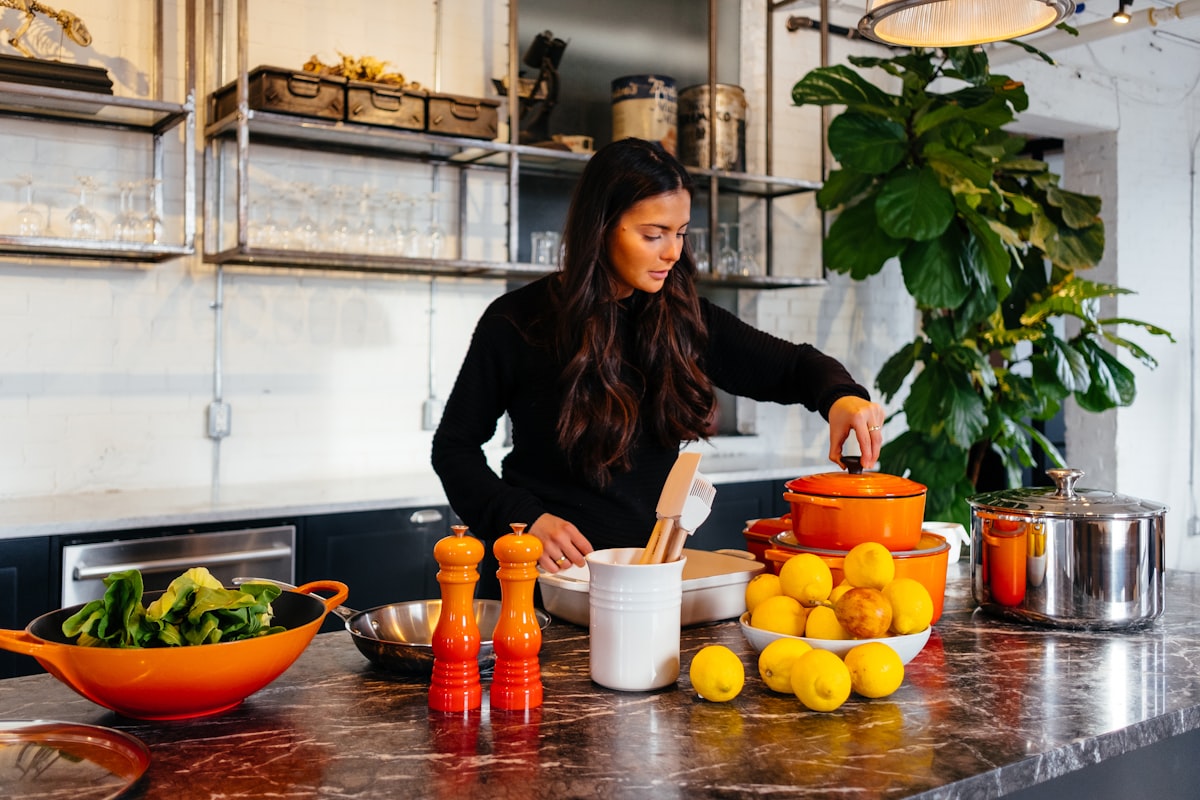
Dark Leafy Greens: Nutrient Density Unlocked
Explore the nutritional powerhouses of spinach, kale, collards, and chard. This comprehensive article covers bioavailability of minerals, proper preparation methods, and integration strategies that maximize your intake of iron, calcium, and phytonutrients.
Read More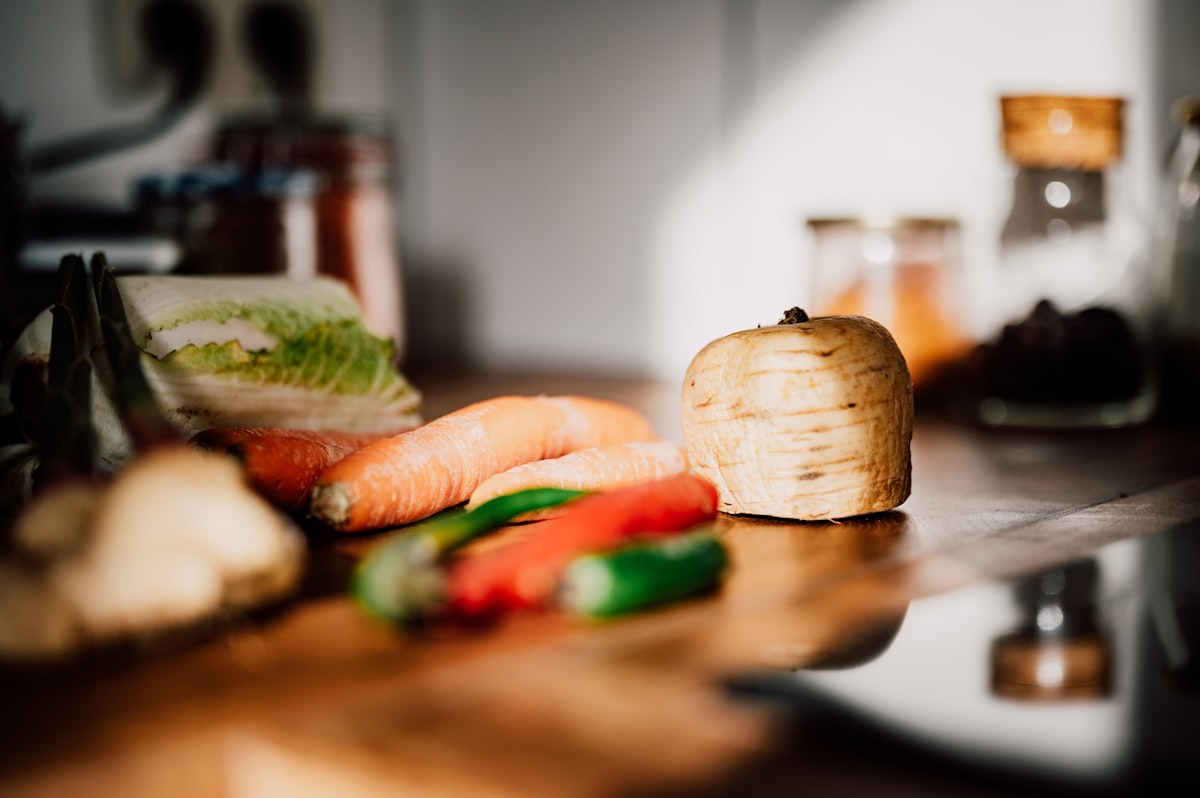
Whole Grains: Choosing and Preparing for Maximum Nutrition
Discover the differences between quinoa, amaranth, brown rice, and farro. Learn soaking techniques, sprouting methods, and cooking approaches that reduce antinutrients while preserving B vitamins, fiber, and mineral content essential for plant-based eaters.
Read More
Plant-Based Protein Combinations: Building Complete Amino Acid Profiles
Master the art of combining legumes, grains, nuts, and seeds to create nutritionally complete meals. This practical guide provides proven pairings, cooking timelines, and flavor combinations that support muscle maintenance and overall wellness.
Read More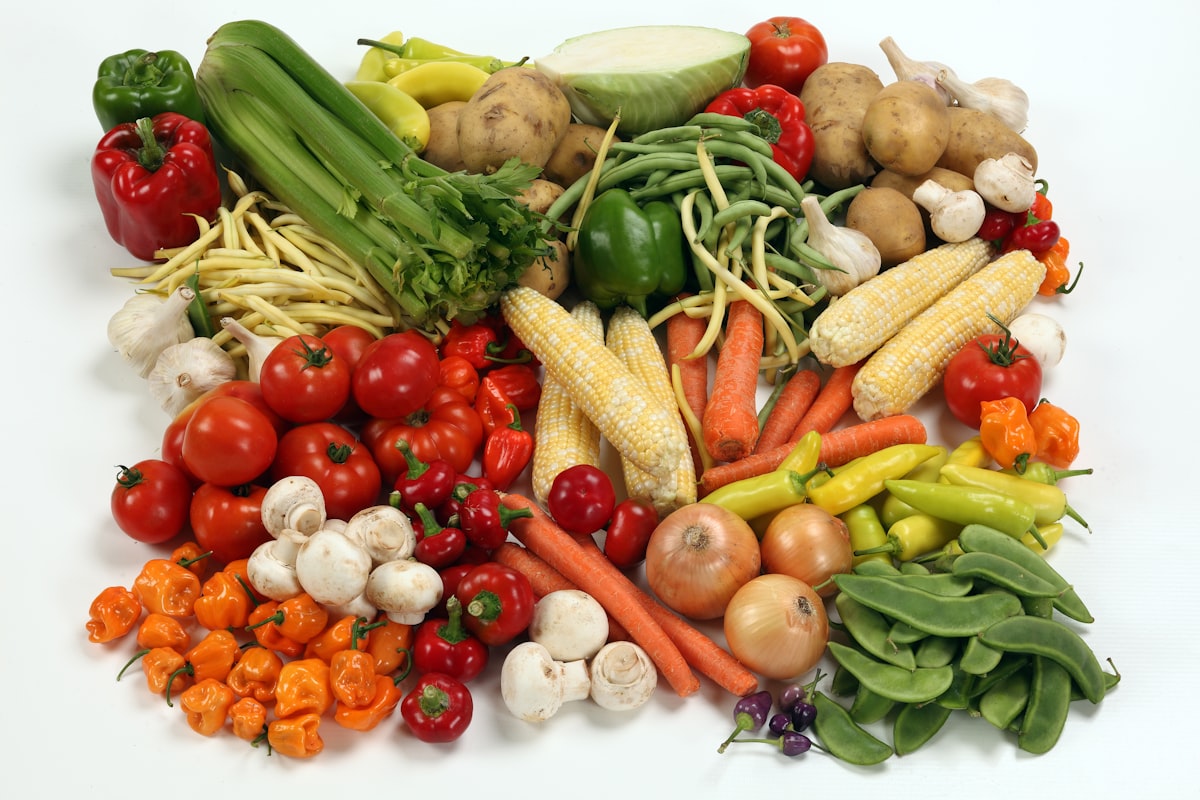
Rainbow Cooking: Phytonutrients and Color in Your Kitchen
Understand the science behind food colors and the specific phytonutrients they contain. From red lycopene to blue anthocyanins, learn how to strategically select and prepare colorful vegetables and fruits to maximize antioxidant intake and visual appeal.
Read More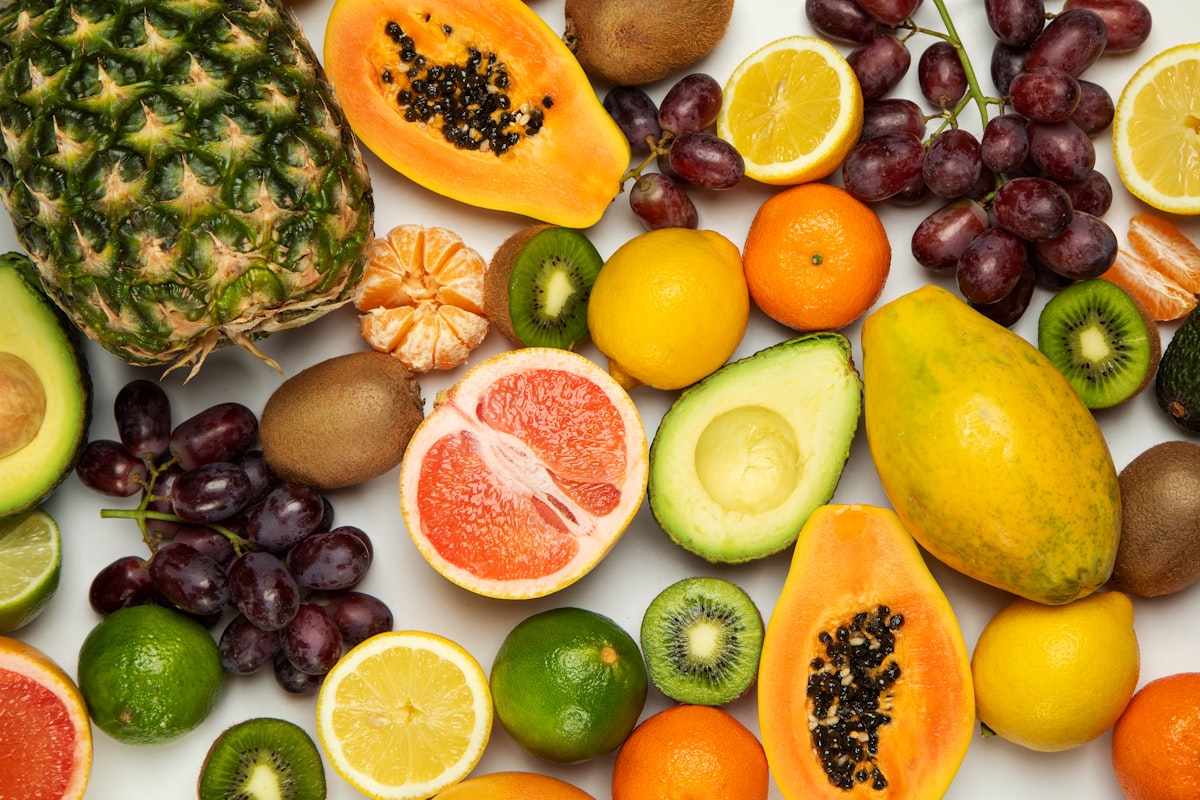
Fermentation Fundamentals: Enzyme Activity and Gut Health
Explore traditional and modern fermentation techniques for vegetables, grains, and legumes. This detailed guide covers salt ratios, temperature control, and timing to cultivate beneficial microbial activity while creating nutrient-dense, flavorful additions to your meals.
Read More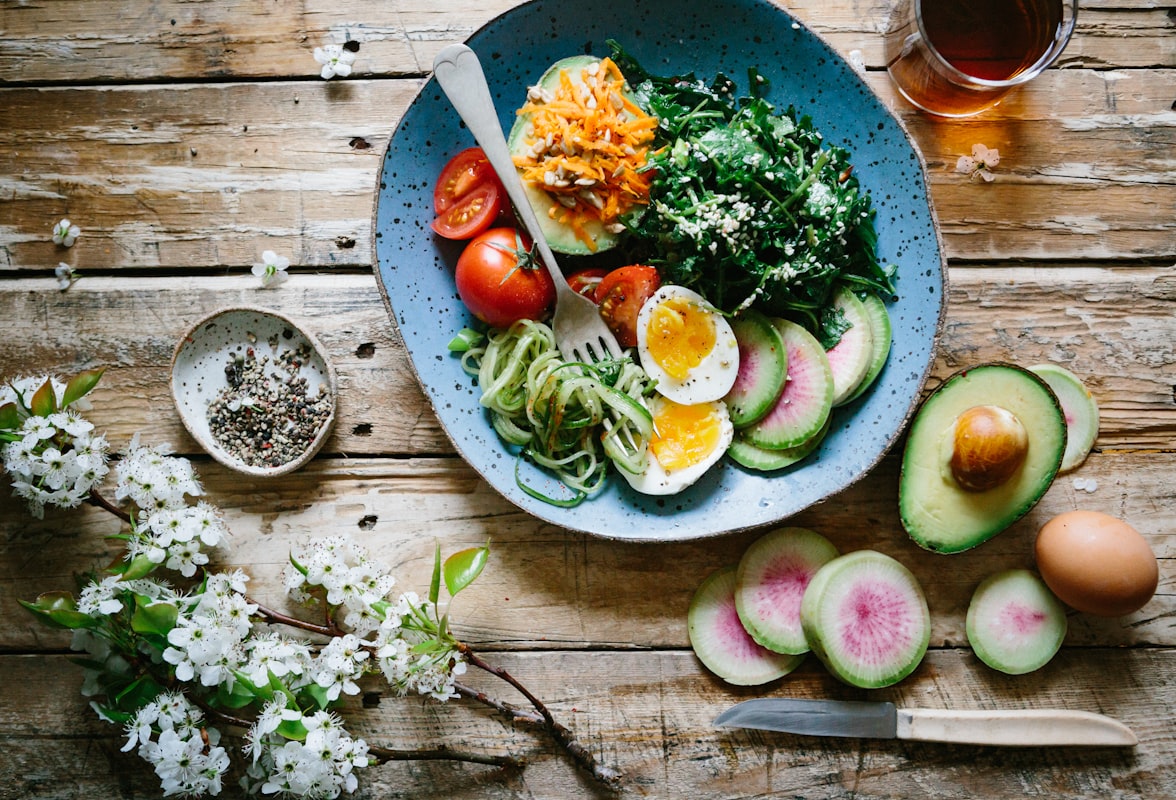
Essential Vitamins in Plant-Based Foods: Sources and Strategies
Navigate the landscape of plant-based vitamin sources including B12, vitamin D, and vitamin K. Learn food pairing techniques that enhance absorption, seasonal ingredient selection, and meal timing strategies that support nutritional adequacy throughout the year.
Read More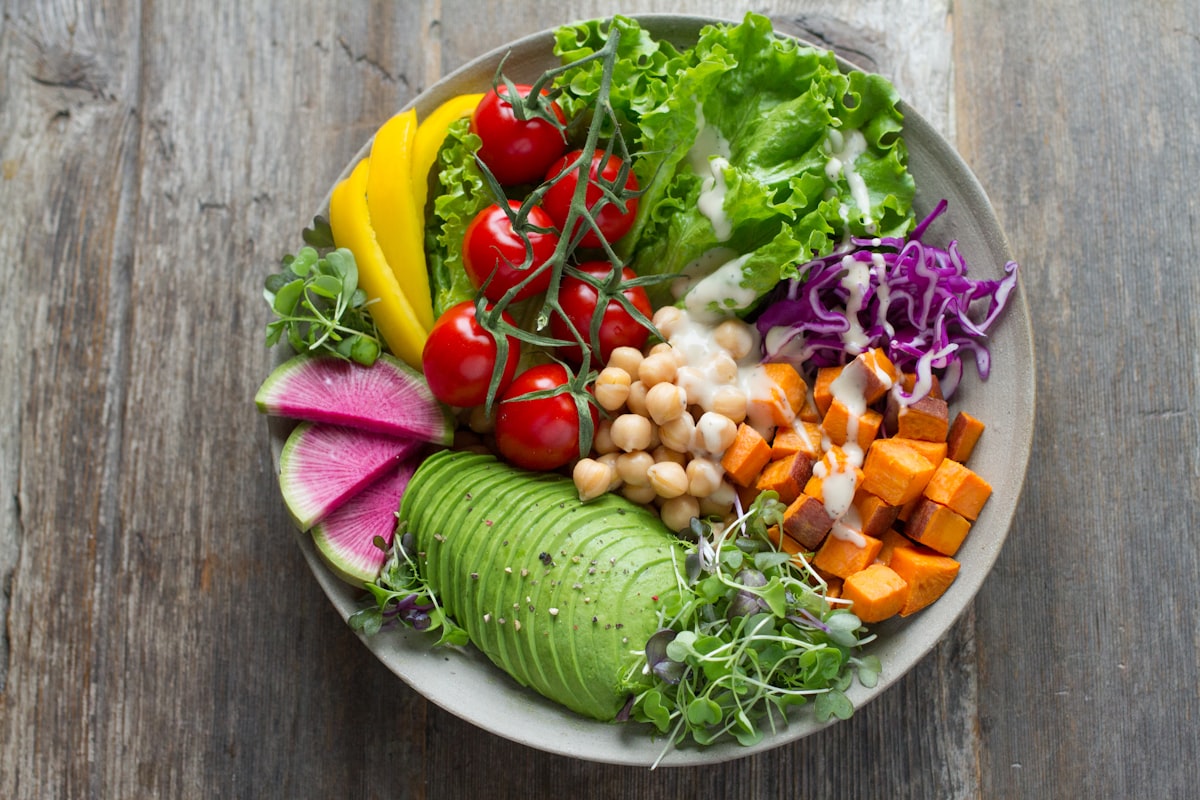
Mineral-Rich Cooking: Calcium, Iron, and Zinc Maximization
Master the selection and preparation of mineral-dense plant foods. This evidence-based guide covers bioavailability factors, cooking methods that preserve mineral content, and complementary food pairings that enhance absorption for optimal bone health and metabolic function.
Read MoreDiscover More Cooking Wisdom
Our editorial team at Plantbasedchefpath is committed to providing in-depth, practical guidance on vitamin-rich cooking. Each article combines nutritional science with culinary technique to empower you in the kitchen. Explore our complete collection of resources, discover answers to common cooking questions, and learn from real experiences shared by our community.
Frequently Asked Questions
What is the best way to preserve vitamins during cooking?
The key is using lower heat temperatures and minimal cooking time. Steaming vegetables for shorter periods, quick stir-frying with high heat, and eating some foods raw preserves heat-sensitive vitamins like vitamin C and B vitamins. Leafy greens benefit from brief cooking, while carrots and tomatoes actually become more nutrient-accessible when cooked gently.
How can I combine plant proteins to create complete amino acid profiles?
The traditional approach of pairing grains with legumes is scientifically sound—combine rice with beans, bread with peanut butter, or quinoa with lentils. However, you don't need to eat complementary proteins at the same meal; consuming varied plant proteins throughout the day ensures you receive all essential amino acids for your body's needs.
Does soaking grains and legumes really reduce antinutrients?
Soaking for 8-12 hours does reduce phytic acid and enzyme inhibitors, making minerals more bioavailable. For legumes, soaking followed by cooking is particularly effective. However, modern diets including fermented foods and varied plant sources mean this processing isn't always essential—it's more about optimizing mineral absorption if you eat large quantities of these foods regularly.
Which cooking method preserves the most nutrients?
Steaming and pressure cooking rank highest for nutrient retention because they minimize water contact and cooking time. Microwaving is surprisingly effective. Conversely, boiling in large amounts of water leaches water-soluble nutrients. For maximum nutrient retention across meals, combine raw foods with lightly cooked preparations rather than relying on any single cooking method.
How do I ensure I'm getting enough B12 and vitamin D on a plant-based diet?
Vitamin B12 is not reliably available from plant foods; nutritional yeast or fortified plant milks provide the most practical sources. Vitamin D comes from sunlight exposure, fortified foods, or mushrooms exposed to UV light. Spending 10-30 minutes daily in midday sun (depending on latitude and skin tone) supports vitamin D synthesis naturally.
What are the best plant sources of iron and how do I maximize absorption?
Legumes, dark leafy greens, seeds, and fortified cereals contain iron. Plant iron (non-heme iron) is less readily absorbed than animal iron, but eating these foods with vitamin C sources—tomatoes, citrus, bell peppers—dramatically increases absorption. Avoiding tea and coffee with meals also helps, as tannins inhibit iron uptake.
Deepen Your Cooking Knowledge
Explore more evidence-based articles, cooking guides, and community insights. Our editorial resources empower you to make informed choices about ingredient selection, preparation techniques, and nutritional planning.
For questions about our content or editorial approach, contact our editorial team.