
Unlock Vibrant Health Through Vitamin-Rich Cooking
Welcome to Plantbasedchefpath, your comprehensive online guide to mastering nutrient-dense, plant-based cooking. Discover how simple ingredient choices and thoughtful preparation methods can transform your daily meals into nutritional powerhouses.
- Master cooking techniques that preserve vital vitamins and minerals
- Learn which ingredients offer the highest nutritional density
- Build a sustainable approach to everyday nutritious eating

The information on this site is for educational purposes only and does not constitute medical advice. Always consult a qualified healthcare professional before making health decisions.
What You'll Discover
Our editorial platform covers everything from ingredient science to preparation methods, helping you understand how to cook foods in ways that maximize their nutritional value.
Ingredient Intelligence
Deep dives into the nutritional profiles of plant-based foods, from leafy greens to legumes. Understand which ingredients pack the most vitamins, minerals, and phytonutrients for your meals.
Cooking Techniques
Learn methods that preserve nutrient content—steaming, roasting, and gentle simmering. Discover why preparation timing and temperature matter for retaining vitamins in your food.
Recipe Collections
Access curated recipes designed for vitamin retention and flavor. Each recipe includes preparation notes explaining how techniques preserve the nutritional integrity of the ingredients used.

Why Our Editorial Approach Matters
Plantbasedchefpath isn't just a recipe site—it's an educational resource designed by food enthusiasts passionate about connecting you with practical knowledge about nutrient-dense cooking. We believe understanding the "why" behind cooking choices leads to better meals and lasting habits.
Science-Informed Content
Our articles reference nutritional science and cooking research to explain how different methods affect food composition.
Community-Focused
Connect with readers who share an interest in plant-based cooking and learn from shared experiences across our content.
Spain-Based Perspective
Celebrating Mediterranean and Spanish plant-based cooking traditions while making them accessible for kitchens worldwide.
Featured Vitamin-Rich Recipes
Explore our curated collection of recipes designed to maximize nutrient retention. Each recipe includes detailed notes on preparation and cooking methods.
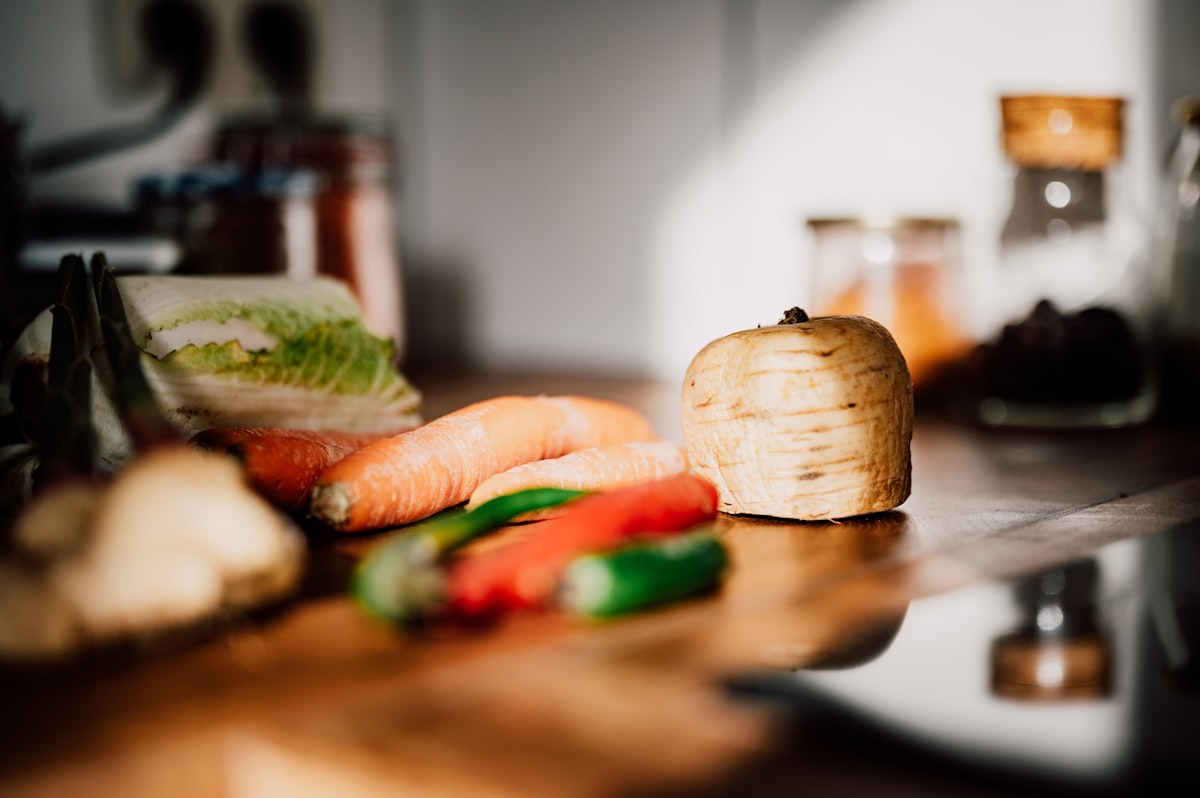
Green Powerhouse Salad
Discover how to build a salad that combines dark leafy greens, legumes, and nutrient-dense seeds for maximum vitamin content.
Read more
Roasted Rainbow Vegetables
Learn optimal roasting temperatures and times that bring out natural sweetness while preserving beta-carotene and vitamin C.
Read more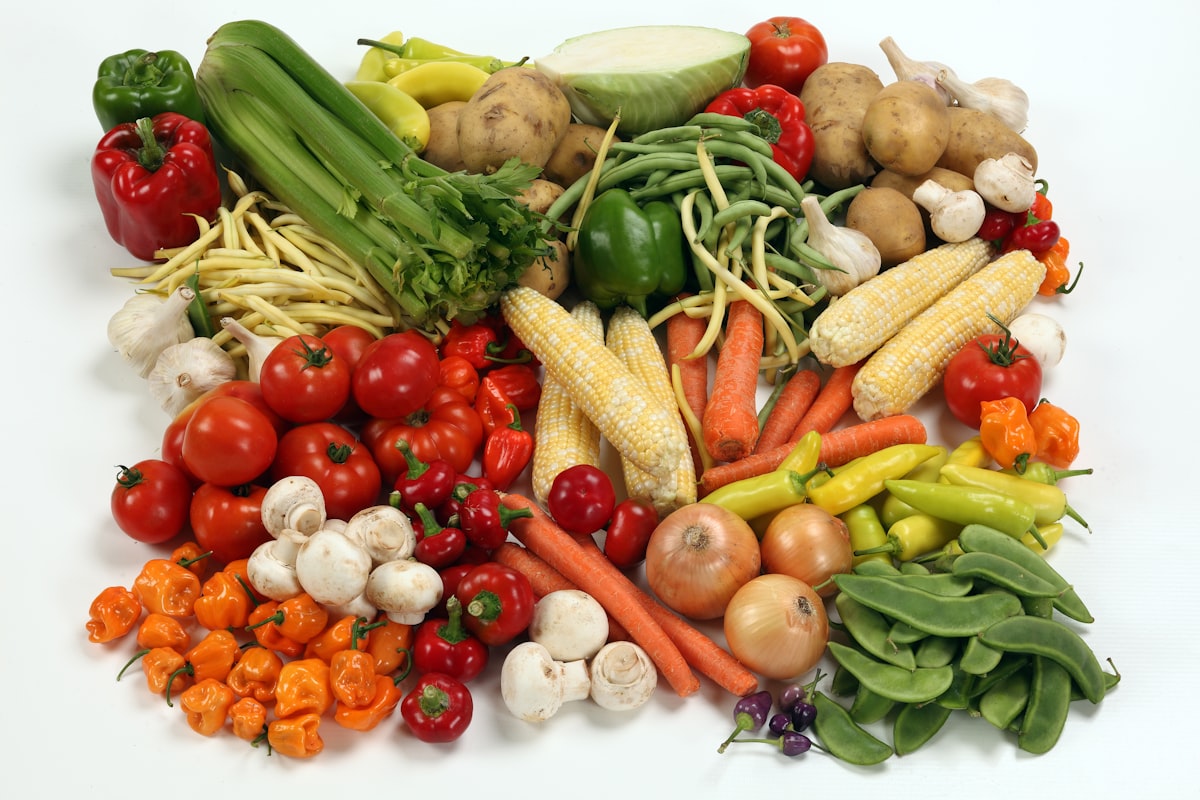
Complete Grain & Legume Bowl
Master combining whole grains and legumes to create complete proteins while maintaining nutritional integrity through proper preparation.
Read moreEssential Cooking Tips
Learn practical techniques that preserve the maximum nutritional value in every meal.
Temperature Control
High heat can destroy heat-sensitive vitamins like vitamin C. Gentle steaming and low-temperature cooking preserve nutrient content better than high-heat methods. Learn when to steam, simmer, and when brief roasting works best.
Water Solubility Matters
Many vitamins dissolve in cooking water. Use minimal water, keep cooking times short, and save cooking liquid for soups or sauces to retain valuable nutrients that would otherwise be lost.
Timing Is Critical
Overcooked vegetables lose color, texture, and nutrients. Aim for tender-crisp vegetables—they retain more vitamins and phytonutrients while still being easy to digest and maximally nutritious.
Knife Skills & Prep
Cut vegetables just before cooking to minimize oxidation and nutrient loss. Smaller cuts cook faster, which means less time for heat to damage vitamins—a win for both nutrition and flavor.
Your Journey to Better Nutrition
Start where you are and build your vitamin-rich cooking skills step by step.
Learn the Basics
Understand which nutrients are sensitive to heat, water, and air. Familiarize yourself with the nutritional profiles of plant-based ingredients.
Master Techniques
Apply proper cooking methods—steaming, gentle simmering, minimal-water cooking—that preserve nutritional content while developing delicious flavors.
Create Your Recipes
Start combining ingredients and techniques thoughtfully. Use our recipe guides as templates to build meals tailored to your preferences and nutritional goals.
Build Habits
As nutrient-rich cooking becomes natural, you'll develop lasting habits that keep your meals flavorful, satisfying, and nutritionally dense.
Transformations from Our Community
Real readers sharing how vitamin-rich cooking has changed their approach to food and daily health.
"I never realized how my cooking methods were affecting the nutritional value of my meals. Since discovering Plantbasedchefpath, I've completely changed my approach to steaming vegetables and preparing grains. The articles explain the science behind each technique, which makes me feel confident I'm actually preserving the nutrients I'm trying to consume. My energy levels have improved noticeably."
María García
Barcelona, Spain
"As someone transitioning to plant-based eating, I was worried about getting enough vitamins. This site goes beyond just recipes—it teaches you the 'why' behind everything. The ingredient intelligence articles helped me understand which foods are nutritionally dense, and the cooking tips have made a real difference in how I prepare meals. I feel more confident about my nutrition now."
Carlos Mendoza
Madrid, Spain
"What I love most about Plantbasedchefpath is how it connects Mediterranean cooking traditions with modern nutrition science. The recipes feel authentic yet intentional about preserving nutrients. I've started sharing articles with my family, and we're all cooking more thoughtfully. It's become our go-to resource for understanding both the flavor and nutrition in our meals."
Rosa López
Valencia, Spain
Common Questions About Nutrient Dense Cooking
Find answers to frequently asked questions about vitamin-rich cooking, ingredient selection, and preparation methods.
Does boiling vegetables destroy all their nutrients?
Not all nutrients are lost through boiling, but many water-soluble vitamins do leach into the cooking water. The key is minimizing boiling time and using minimal water. Steaming is generally superior for nutrient retention, as vegetables don't touch the water. If you do boil vegetables, save the cooking liquid for soups or sauces to recover lost nutrients.
What's the best way to cook leafy greens?
For raw greens, you preserve all nutrients and enzymes, which is excellent for certain applications. For cooked greens, brief steaming (2-3 minutes) or quick sautéing in a little oil preserves nutrients while breaking down cell walls to increase mineral bioavailability. Overcooking turns greens mushy and leaches valuable compounds.
How do I maximize vitamin absorption from plant-based foods?
Pairing plant foods with healthy fats improves absorption of fat-soluble vitamins like beta-carotene and vitamin K. Adding herbs and spices, which are nutrient-dense themselves, further boosts nutritional value. Combining different colored vegetables creates synergistic effects—the variety of phytonutrients work together to support absorption and utilization.
Should I eat vegetables raw or cooked for maximum nutrition?
Both raw and cooked have benefits. Raw vegetables retain heat-sensitive nutrients and enzymes. Cooking breaks down cell walls, making some minerals and phytonutrients more bioavailable. Ideally, include a mix of both in your diet. Different vegetables also respond differently—tomatoes actually release more lycopene when cooked, while raw leafy greens preserve certain nutrients.
How long can I safely store vegetables before nutrients degrade?
Fresh vegetables begin losing nutrients immediately after harvest. Most are best consumed within a few days of purchase. Store them in the refrigerator in containers that maintain humidity without trapping excess moisture. Frozen vegetables actually retain nutrients very well since they're frozen at peak ripeness shortly after harvest—a great option for nutrient preservation.
Are dried beans and lentils as nutritious as fresh vegetables?
Dried legumes are nutritional powerhouses, offering concentrated protein, fiber, minerals, and phytonutrients. Proper soaking and cooking preparation, which we cover in detail in our recipes, maximizes nutrient bioavailability. Combining legumes with grains creates complete proteins. While different from vegetables, legumes are essential components of a nutrient-dense plant-based diet.
Start Your Vitamin-Rich Cooking Journey
Explore our comprehensive collection of articles, recipes, and cooking techniques. Learn how to make every meal nutritionally intentional while keeping flavors vibrant and cooking simple.
For editorial feedback or content questions, contact our editorial team.